How to Get Kids to Smile Naturally in Family Photos: A Calm, Stress-Free Guide for Parents in Lancaster, PA
The Biggest Worry Parents Have Before Family Photos
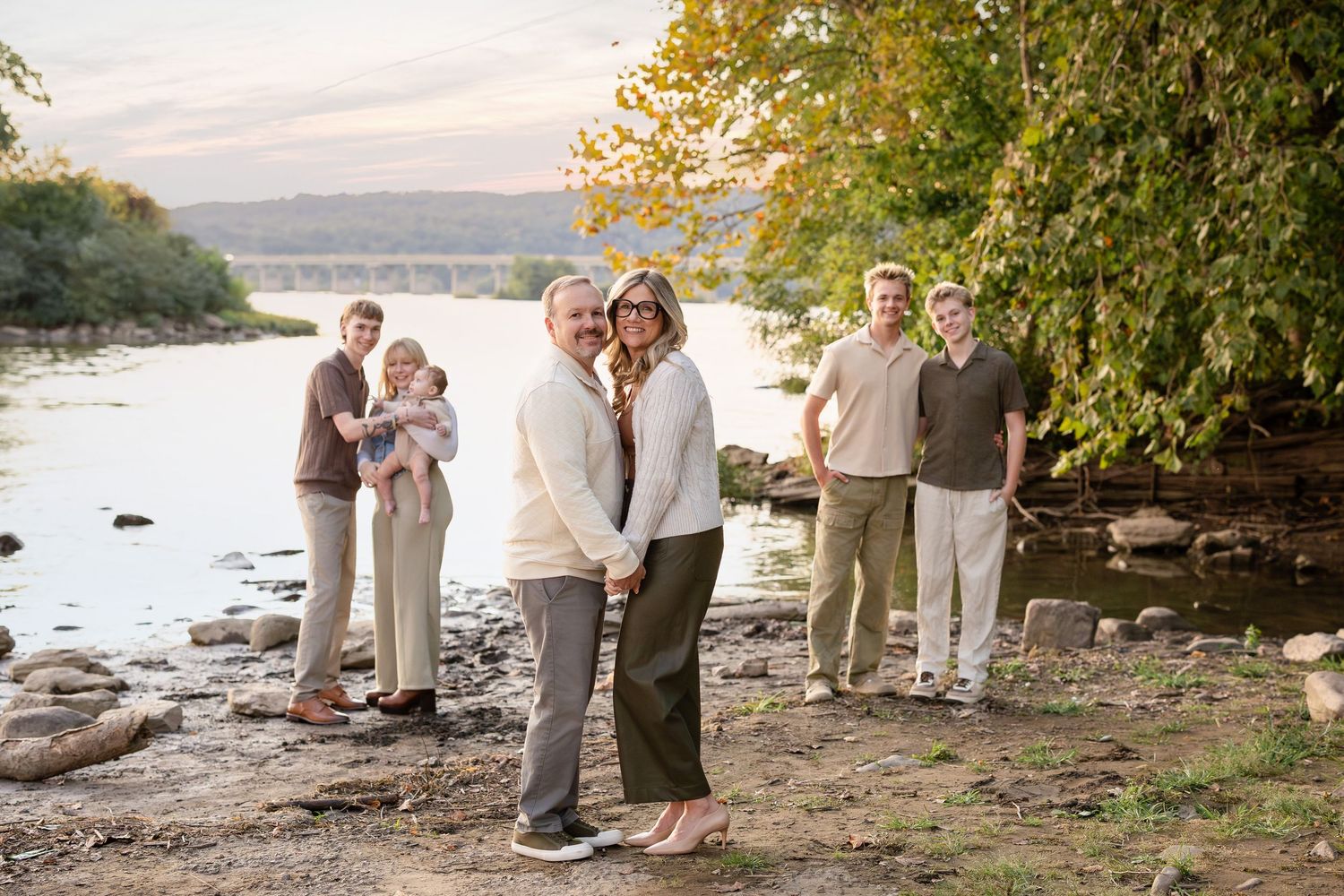
One of the most common concerns parents express before a family photography session is not about outfits, locations, or even timing—it is whether their children will smile. The worry is deeply familiar: What if my child doesn’t cooperate? What if they feel shy? What if I end up with photos where no one is looking at the camera or smiling at all?
This concern is incredibly common, and it comes from a place of love. Parents want their images to reflect joy, connection, and warmth, and smiles often feel like the clearest visual expression of that. But what many families discover during the process is that natural smiles rarely come from instruction or pressure. In fact, the more effort placed on “getting the perfect smile,” the more tense the experience can sometimes feel for both children and parents.
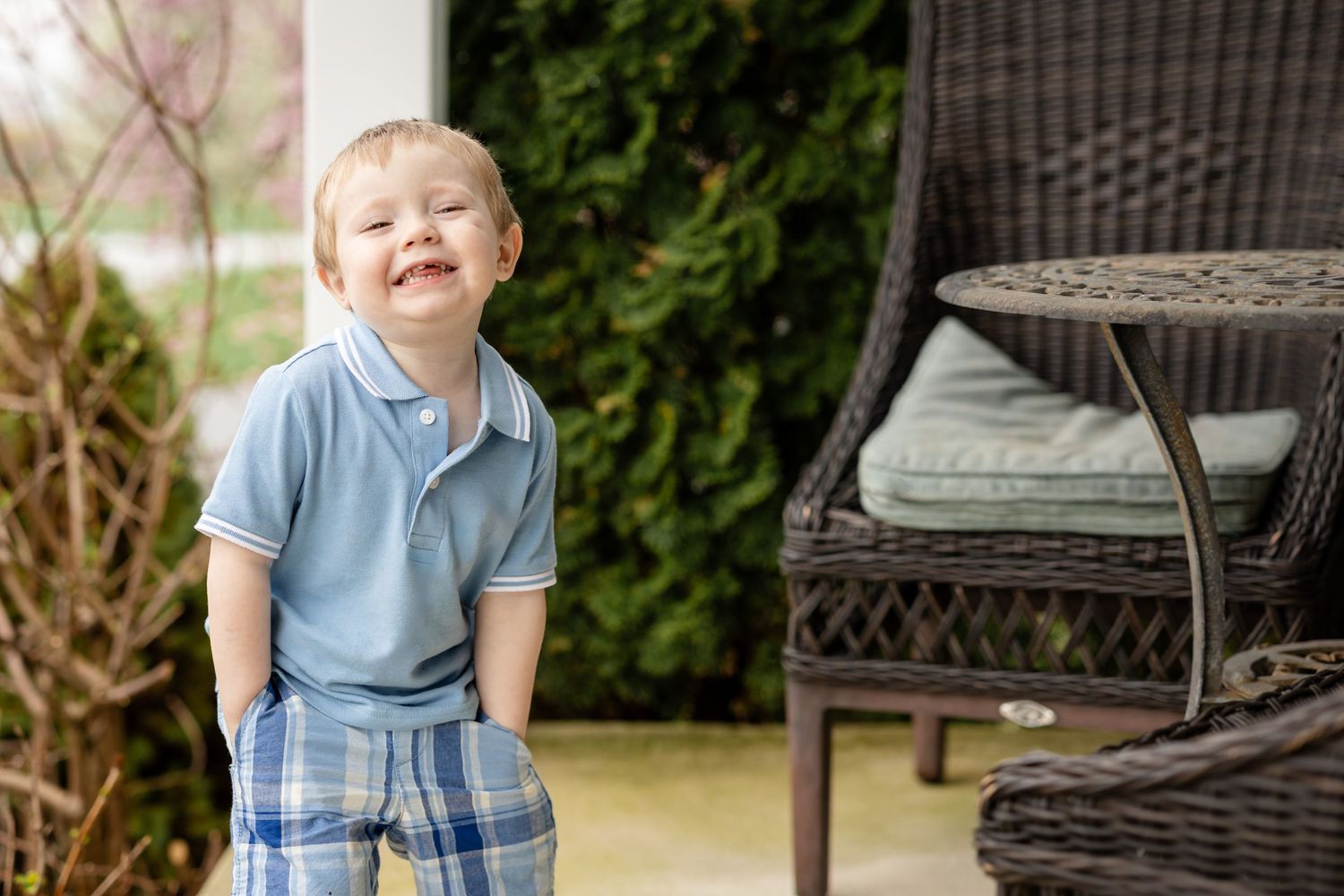
The truth is that getting kids to smile naturally in family photos is far less about control and far more about environment, energy, and interaction. When children feel comfortable, unpressured, and engaged, smiles happen on their own—often in between moments rather than during posed direction. Understanding how to create that environment is the key to transforming the entire experience from stressful to enjoyable.
This guide walks through exactly how to support that process, from preparation to session day, so families can feel confident that their children don’t need to perform—they simply need to be themselves.
Preparing Children Before the Session (Without Pressure)
Preparation plays a much larger role in getting natural smiles than most families realize. However, preparation does not mean rehearsing poses or telling children exactly how to behave. Instead, it means setting expectations in a way that feels light, positive, and age-appropriate.
One of the most helpful approaches is simply talking about the session as something fun and relaxed, rather than something to “perform” for. Children often mirror the emotional tone they are given, so when photography is framed as time spent together outdoors, walking, playing, or laughing as a family, it naturally feels less intimidating.
It can also be helpful to avoid over-explaining or building up expectations too much in advance. For younger children especially, too much anticipation can create pressure. A calm, simple explanation is often enough to help them feel secure without overthinking the experience.
Rest, snacks beforehand, and avoiding rushed schedules also contribute significantly to how children respond once the session begins. A well-rested, comfortable child is far more likely to engage naturally than one who arrives overstimulated or tired.
What to Bring to Help Children Feel Comfortable
While natural smiles are not created through props or objects, small comforts can make a meaningful difference in how children experience the session. Families often find it helpful to bring a few simple items that support ease rather than distraction.
Snacks and water are always a good idea, especially for longer sessions or younger children. Having something familiar available can help reset energy levels if attention starts to fade. A favorite small toy or comfort item can also be helpful, particularly at the beginning of the session while children are warming up.
Comfortable shoes and weather-appropriate clothing are also more important than they may seem. When children are physically comfortable, they are far more likely to move freely, explore their surroundings, and engage naturally with their environment.
The goal is not to manage behavior through items, but to remove unnecessary discomfort so children can simply interact, play, and respond naturally to what is happening around them.
Choosing the Right Photographer Matters More Than Most People Realize
One of the most important, yet often overlooked, factors in getting kids to smile naturally in family photos is the photographer’s actual experience working with children. Not all photographers approach families in the same way, and even highly skilled photographers in other genres may not have the same depth of experience when it comes to photographing young children in a relaxed, responsive environment.
For example, a wedding photographer may be exceptionally talented at capturing emotion, composition, and storytelling in fast-moving environments, but working with children requires a different kind of rhythm. Children are unpredictable, energetic, sensitive to pressure, and highly responsive to tone and interaction. A photographer who regularly works with families develops an instinct for reading those moments and adjusting without forcing structure or interrupting natural flow.
This is why reviewing a photographer’s portfolio is so important. Not just curated highlight images, but full family sessions from start to finish. This gives you a clearer sense of how they actually interact with children in real situations. Do the children look comfortable and at ease? Do interactions feel patient and adaptable? Are the moments reflective of real connection rather than overly directed positioning?
You can often learn more from a complete gallery than from any description of process or style. It reveals whether the photographer is experienced in creating space for children to feel comfortable in their own way, or whether their approach may be more generalized across different types of photography.
Choosing someone who has genuine, repeated experience working with families and children can make a significant difference in how the entire session unfolds. When a photographer is confident and intuitive with kids, the atmosphere naturally becomes more relaxed, and smiles tend to appear without effort—because the environment itself supports it.
Understanding Prompts vs. Posing (And Why It Changes Everything)
A major shift in modern family photography is the move away from rigid posing and toward prompts. Understanding the difference between the two can completely change how you approach your session.
Posing typically involves specific instructions: where to stand, how to hold your hands, where to look, and when to smile. While this can create structured images, it can also feel restrictive for children who naturally want to move and explore.
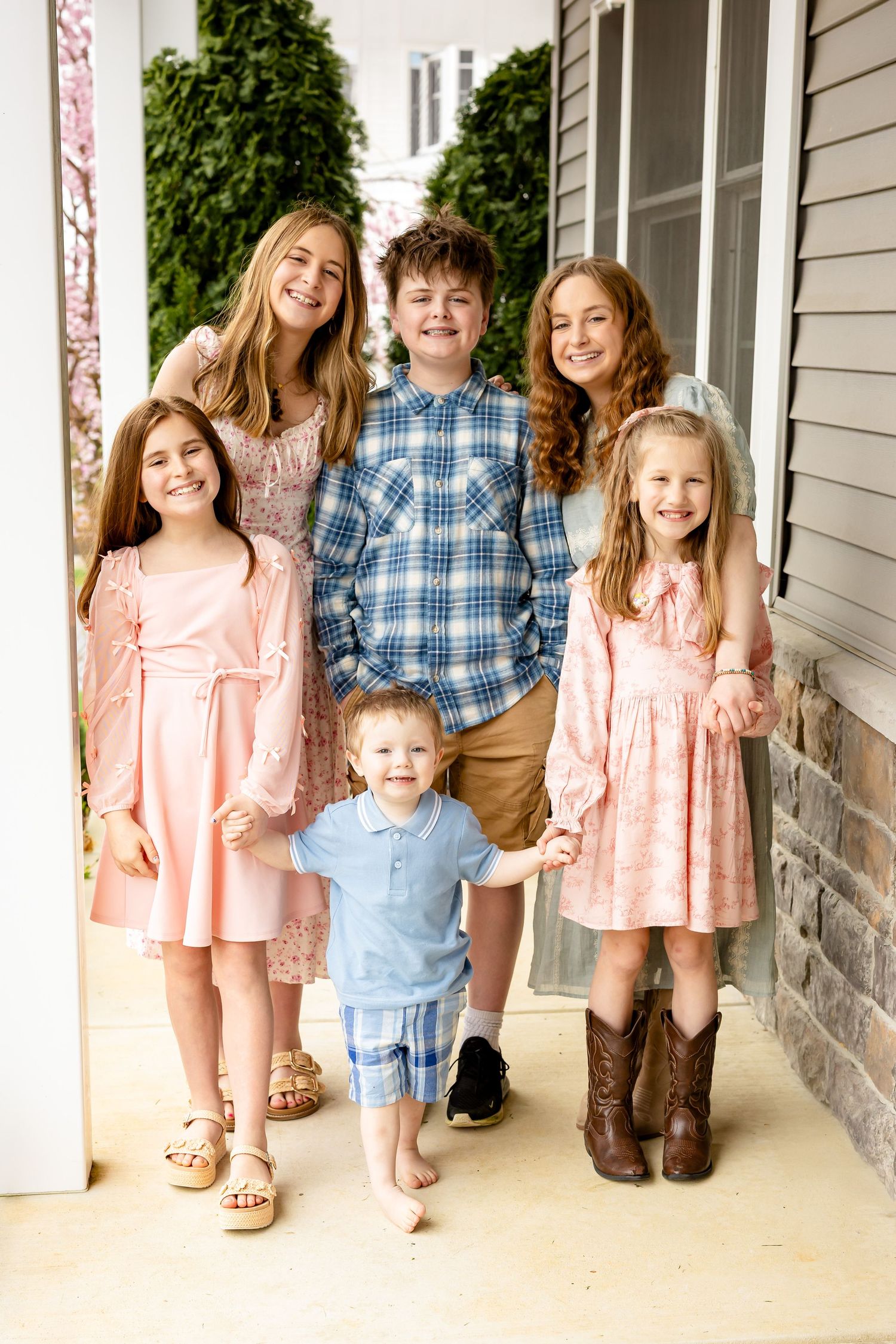
Prompts, on the other hand, are gentle invitations rather than instructions. Instead of telling a child to smile at the camera, a photographer might encourage interaction—walking together, hugging, whispering something silly, or playing a simple game. These interactions naturally lead to expressions that feel real rather than forced.
This distinction matters because natural smiles are almost always a byproduct of interaction, not instruction. When children are engaged in something that feels playful or connected, their expressions follow naturally without needing to be directed.
Managing Expectations on Session Day
Another important part of getting kids to smile naturally in family photos is managing expectations before the session even begins. Many parents unknowingly create pressure by expecting children to behave a certain way or produce specific expressions on command.
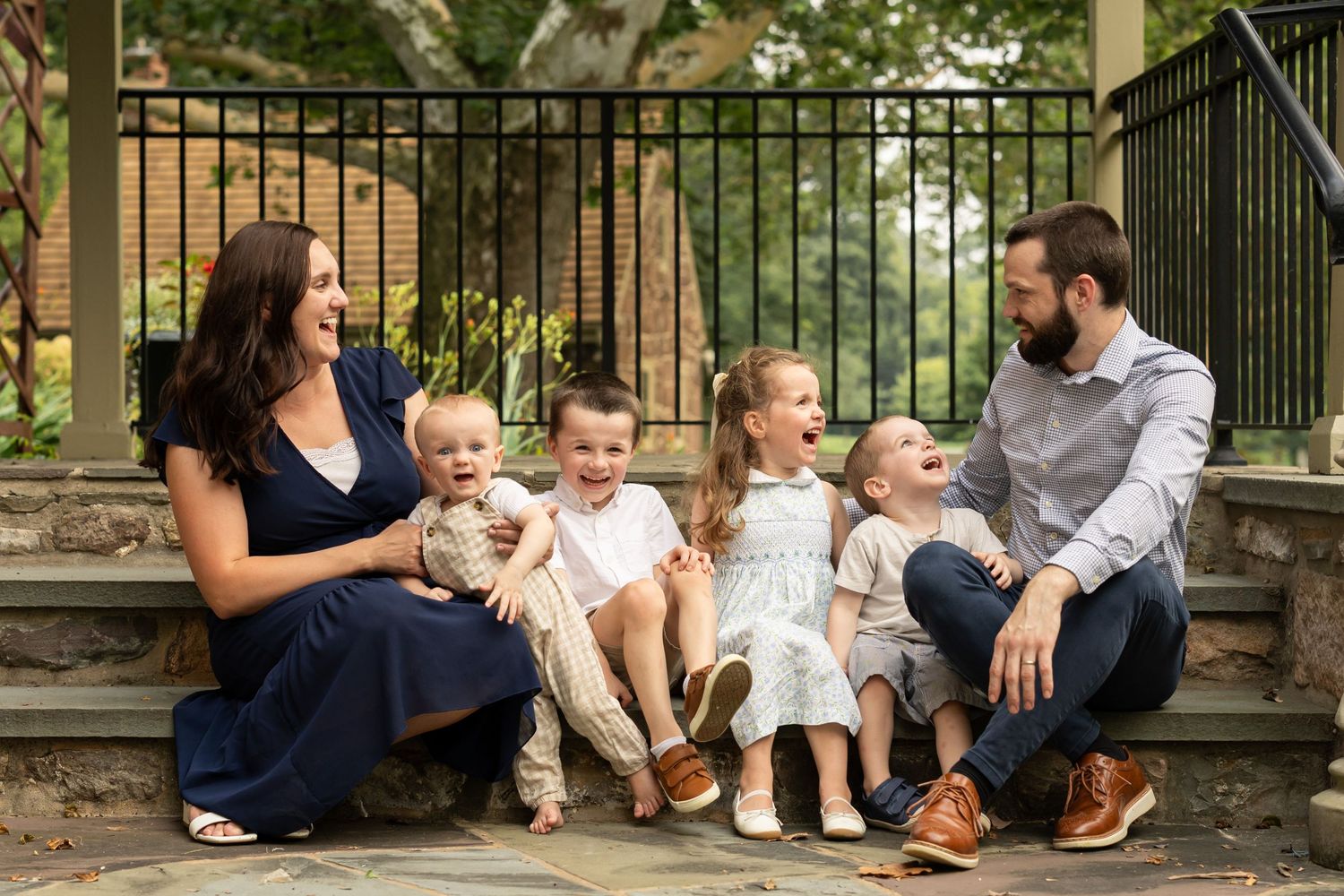
The most successful sessions often begin with a mindset shift: the goal is not perfect behavior, but authentic connection. Children do not need to smile constantly, look at the camera at all times, or remain still. In fact, some of the most meaningful images come from in-between moments—when children are laughing, moving, or simply interacting with their parents.
When parents release the expectation of perfection, children often respond immediately. They feel less observed and more included, which naturally leads to more genuine expression throughout the session.
Why Natural Smiles Cannot Be Forced
It is important to understand that natural smiles are not something that can be commanded into existence. They happen as a response to comfort, connection, and genuine interaction.
Children are especially sensitive to energy. If they feel pressure, they may become reserved or hesitant. If they feel relaxed and engaged, their expressions open up naturally without needing direction. This is why the environment, photographer approach, and family mindset all matter far more than any single instruction.
The best photography experiences are those where children are allowed to be themselves without expectation. In those moments, smiles are not manufactured—they are simply captured as they happen.
Reserve Your Family Portrait Experience in Lancaster, PA
Creating images where your children feel comfortable, relaxed, and fully themselves begins long before the camera comes out. It starts with choosing an approach that prioritizes connection over perfection and experience over performance.
Connect with me today as the first step toward a family portrait experience designed to feel calm, natural, and enjoyable for your entire family. I would love to understand your vision, guide you through preparation, and create space where genuine moments can unfold effortlessly.
Related Reading
For families interested in alternative ways to capture meaningful memories at home, this guide on DIY family portraits: Tips for Taking Your Own Photos at Home offers practical ideas for creating relaxed images in everyday environments.
If you are also planning wardrobe choices for your session, you may find it helpful to explore the best colors to wear for family portraits.