DIY Family Portraits: How to Take Better Family Photos at Home, at Events, and On the Go
Why “DIY Family Photos” Usually Happen in Real Life Moments
Most families are not thinking about photography when the best moments happen. They are at a birthday party blowing out candles, sitting together at a picnic blanket in the park, or watching their child laugh in a fleeting, unplanned moment. These are the times when someone reaches for their phone and hopes to capture something meaningful—but often feels disappointed afterward when the image doesn’t quite reflect what they saw in real life.
The love for preserving precious moments of everyday life is exactly why DIY family portraits have become so common. Families want to preserve connection in the moment, even when a professional photographer is not present. The goal is not to replace professional photography, but to better understand how to make the most of everyday situations when a great photo opportunity appears unexpectedly.
The truth is that beautiful family images can absolutely be created on the go. With a few simple adjustments in how you position your phone, guide your family, and use your environment, everyday moments can become much more visually intentional. And while no smartphone image can fully replace the depth, quality, and artistry of professional photography, there is still something meaningful about learning how to document your family in real time.
This guide is designed to help you do exactly that—capture better, more natural family images in everyday life, while also understanding when it makes sense to step back and invest in professional portraits for the moments that matter most.
How to Set Up Better “On the Go” Family Photos
When you are trying to capture family photos without preparation, the first and most important element is awareness of your environment. Backgrounds matter more than most people realize. Even the most beautiful expression can be distracted by clutter, bright objects, or harsh visual noise behind your subject.
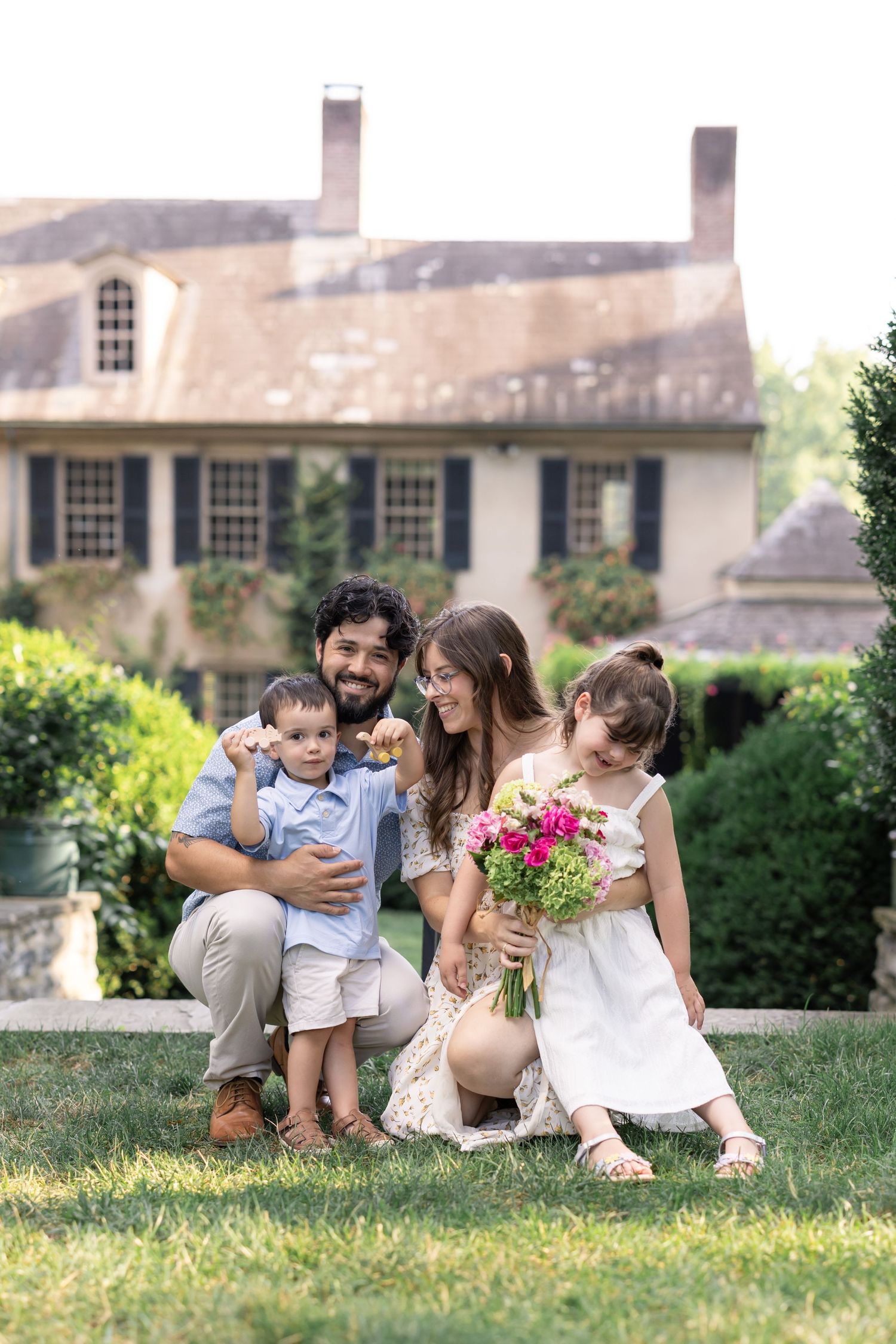
Whenever possible, look for simple, clean backgrounds such as open grass, neutral walls, natural light near windows, or shaded outdoor areas. These environments allow your family to stand out naturally without distraction.
Lighting is equally important. Soft natural light—especially shade or golden hour light—will always produce more flattering results than direct overhead sun or indoor artificial lighting. If you are outdoors, positioning your family so the light is in front of them (rather than behind or directly overhead) will immediately improve the quality of your image. Even small adjustments in position can completely change the final result.
Simple Phone Positioning and Stability Tips
One of the most common reasons DIY family portraits feel less polished is not expression or posing—it is camera stability and angle.
Holding your phone at chest or eye level tends to produce the most natural proportions. Shooting slightly downward can sometimes work for group shots, but too much tilt often distorts facial structure or creates uneven composition.
Whenever possible, stabilize your phone using both hands and avoid zooming in digitally. Instead, physically move closer to your subject. Digital zoom reduces image quality significantly, especially in lower light situations.
If you are photographing a group, stepping back and slightly elevating your angle (for example, standing on a step or small elevation) can help ensure everyone is visible and evenly framed. These small technical adjustments often make a larger difference than people expect.
Natural Prompts and Posing Ideas for Families
The key to better DIY family portraits is not stiff posing—it is interaction. Instead of asking everyone to “smile at the camera,” focus on small prompts that create movement or connection.
For example:
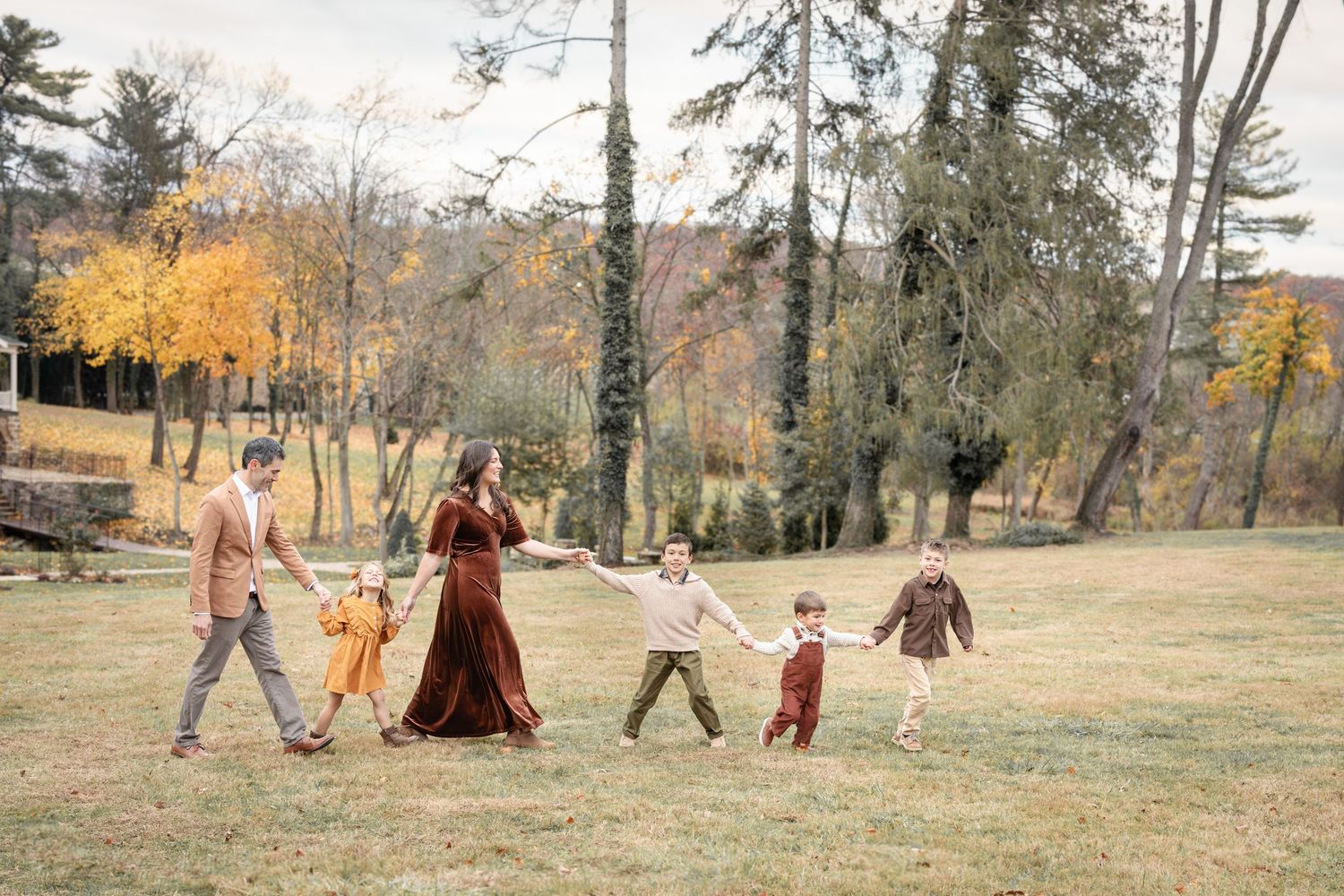
- Ask children to walk toward a parent while holding hands
- Encourage a quick group hug and then gently step back to capture the laughter afterward
- Ask parents to whisper something funny to their child
- Have everyone walk together and talk rather than stand still
These prompts create natural reactions rather than forced expressions. Smiles tend to happen after the moment, not during the instruction itself.
The goal is not perfection or symmetry—it is interaction. Even imperfect moments often become the most meaningful images because they reflect real connection rather than performance.
When DIY Photos Work Best (and When They Don’t)
DIY family portraits work best in casual, in-between moments where expectations are low and the goal is simply to preserve a memory. Birthday parties, picnics, park days, and everyday home moments are all perfect examples of situations where a quick photo can become something meaningful.
However, there is a clear difference between capturing spontaneous memories and intentionally preserving a season of life.
This is where professional photography plays a different role.
For milestone events such as a first birthday, graduation celebration, anniversary, or extended family gathering, professional photography provides a level of consistency, lighting control, and storytelling that cannot be replicated in a handheld environment.
A professional photographer brings equipment specifically designed for light balance, sharpness, depth, and color accuracy that smartphones simply cannot match. Even more importantly, professional editing ensures that images are refined in a way that preserves tone, skin texture, and overall consistency across an entire gallery.
No filter or app can replicate the depth of professional post-processing, where each image is carefully adjusted to reflect both artistry and realism.
DIY photos are wonderful for everyday life—but professional photography is what transforms those moments into lasting legacy artwork.
Why Professional Photography Matters
Even with today’s advanced phones, there is a fundamental difference between capturing a moment and intentionally creating a visual legacy.
Professional photographers work with controlled lighting, calibrated lenses, and high-resolution equipment designed specifically for depth, clarity, and artistic consistency. More importantly, they understand how to guide families through expression, timing, and connection in a way that cannot be replicated in a quick snapshot.
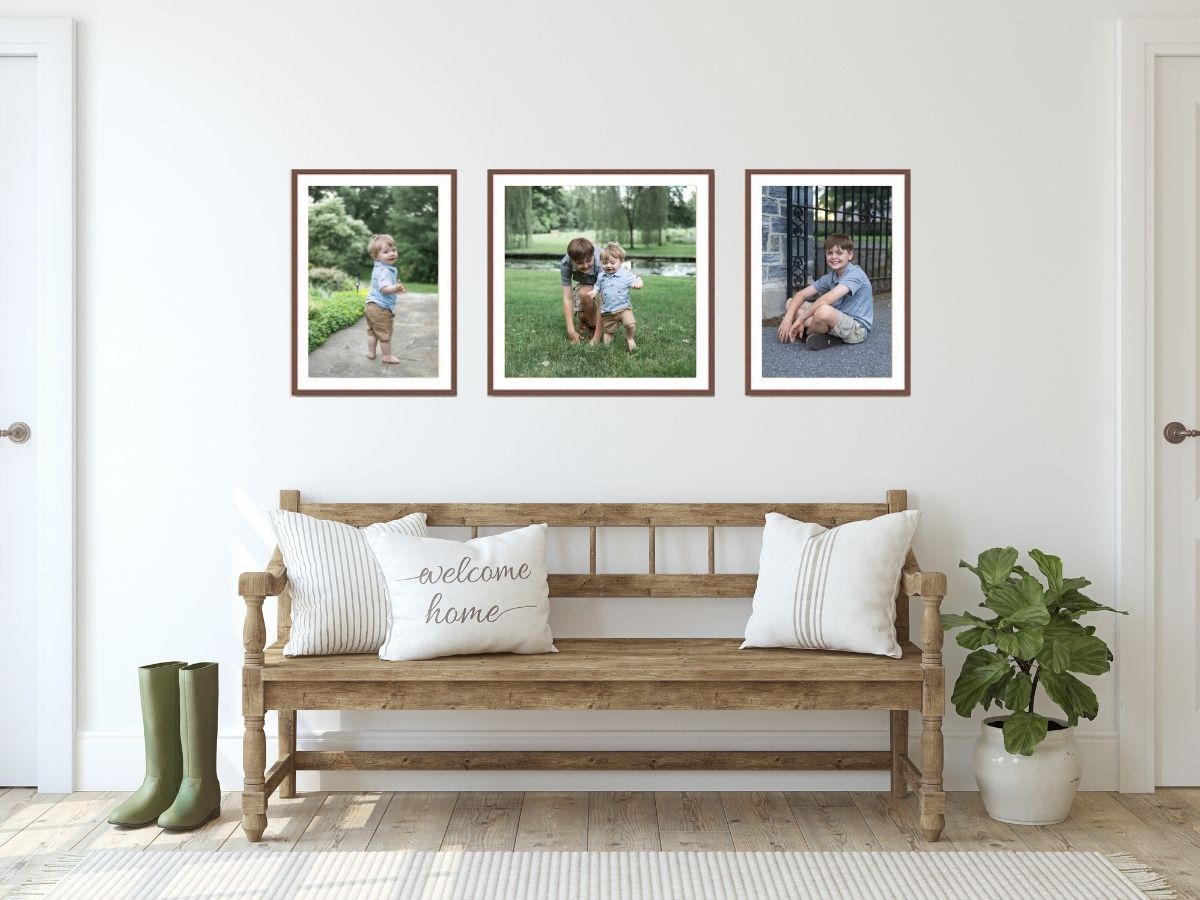
There is also a significant difference in post-production. Professional editing is not simply applying filters—it involves precise color grading, skin tone balancing, light correction, and artistic refinement that ensures every image feels cohesive and timeless. This level of detail is what turns a photograph into something that can be printed, framed, and passed down—not just stored on a device.
How to Know When It’s Time to Hire a Photographer
A helpful way to think about photography is to separate “everyday memory capture” from “legacy moments.”
DIY photos are perfect for:
- Casual outings
- Everyday play
- Quick family snapshots
- Unplanned moments worth remembering
Professional photography is ideal for:
- Milestone birthdays
- Family anniversaries
- Seasonal family portraits
- Generational or extended family gatherings
- Times when you want everyone included and fully present
When the moment carries meaning that you want preserved with intention, it is often worth stepping into a professional experience where everything—from lighting to posing to final artwork—is thoughtfully guided.
Reserve Your Family Portrait Experience in Lancaster, PA
Whether you are capturing everyday memories or planning a more intentional portrait experience, the goal is always the same: preserving connection in a way that feels honest and lasting.
Connect with me today as the first step toward a thoughtfully guided family portrait experience in Lancaster, PA. I would love to understand your vision and create a session that allows your family’s connection to be preserved in a way that feels natural, timeless, and beautifully intentional.
Related Reading
For families planning wardrobe choices for both DIY and professional sessions, exploring the best colors to wear for family portraits offers helpful insight into tones that photograph beautifully in natural light.
If you are just getting started planning a family session or event, you may find benefit from exploring the most frequently asked questions when choosing a photographer.