Natural Light Family Photos in Lancaster PA: Using Sunlight to Elevate Your Session
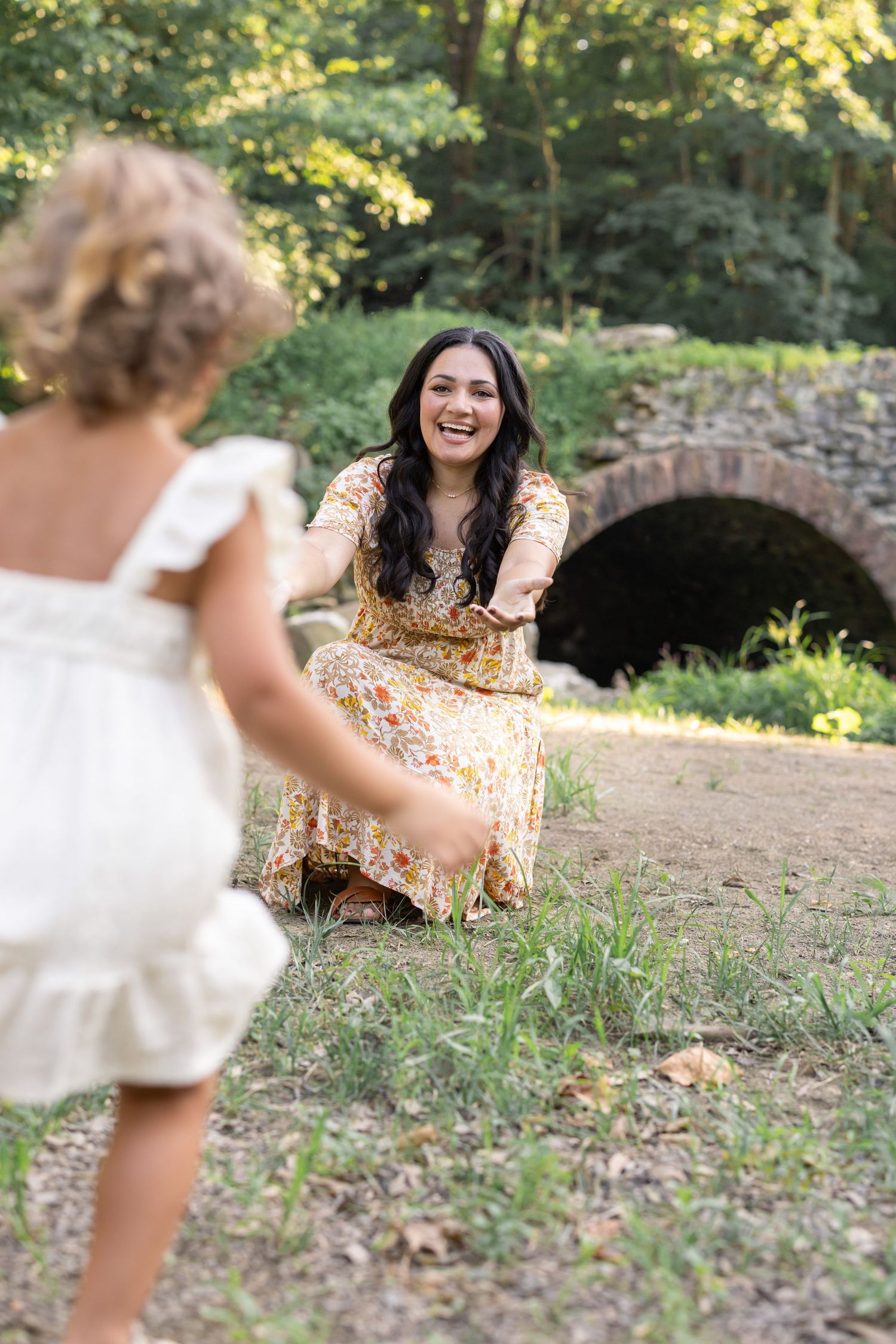
Natural light family photos are often romanticized as the most “authentic” and beautiful way to document a family—and it is completely understandable why. There is something undeniably compelling about sunlight filtering through trees, wrapping softly around a family, and creating that effortless glow that feels both emotional and real.
It is natural to be drawn to this aesthetic. It feels organic, timeless, and connected to the world in a way that artificial light sometimes does not immediately replicate.
But what is less often discussed is that natural light is not inherently perfect. In fact, in the wrong hands, it can produce some of the most inconsistent and unflattering results in photography.
Light itself is neutral. It is neither good nor bad. It simply behaves based on environment, timing, and direction—and the difference between an average image and an exceptional one comes down entirely to how that light is understood and used.
This is why the true skill in photography is not simply “using natural light,” but knowing how to shape it, adapt to it, and create consistency with it—regardless of the conditions.
For families exploring seasonal inspiration, Spring family photos in Lancaster: Best Locations & Styling Tips is a helpful resource for understanding how location and styling work together to support this natural light aesthetic.
And for those planning a session while traveling or building memories during a getaway, Family portraits while vacationing in Lancaster PA: Making Memories Away From Home offers insight into how light and environment shift when sessions are tied to meaningful experiences away from home.
The Myth That Natural Light Is Always Better
One of the most common misconceptions in family photography is the belief that natural light automatically produces better images.
While natural light can be incredibly beautiful, it is not inherently superior to other lighting methods. It is simply one of many tools a photographer can use.
Natural light is constantly changing. It shifts with the time of day, season, weather, and even the surrounding environment. A soft, glowing scene can turn harsh within minutes. A beautifully lit location can become challenging simply because the sun has moved.
This unpredictability is where experience becomes essential.
A photographer who understands light is not dependent on perfect conditions. Instead, they know how to adapt when light is strong, soft, filtered, or inconsistent—turning each variation into something intentional rather than reactive.
The Beauty—and Reality—of Natural Light
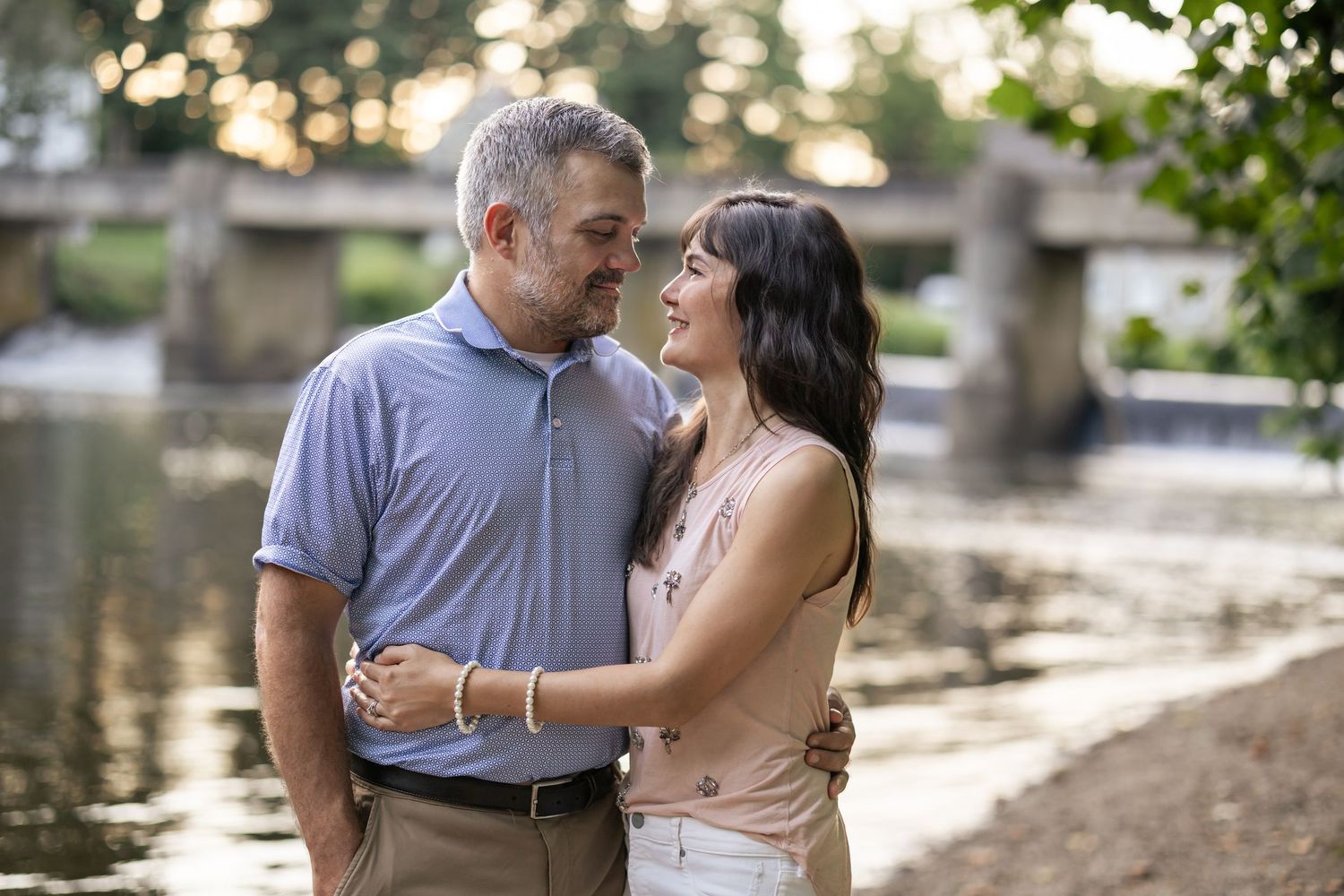
Natural light is loved for a reason. It creates softness, depth, and a sense of realism that feels emotionally connected to the environment. When it is at its best, it can elevate a family portrait into something luminous and timeless.
However, natural light is also one of the most variable elements in photography.
Clouds shift exposure in seconds. Sunlight changes direction throughout a session. Trees and buildings create uneven shadows that can fall unpredictably across faces. Even subtle positioning changes can dramatically alter how light interacts with a subject.
Because of this, natural light photography requires more than just good timing—it requires constant awareness.
Skilled photographers are always adjusting: repositioning families, shifting angles, and finding pockets of light that flatter rather than compete with the subject.
Without that level of understanding, even the most beautiful location can produce inconsistent results.
Golden Hour, Morning Light, and the Challenge of Midday Sun
Outdoor natural light sessions are often planned around specific times of day to maximize softness and warmth.
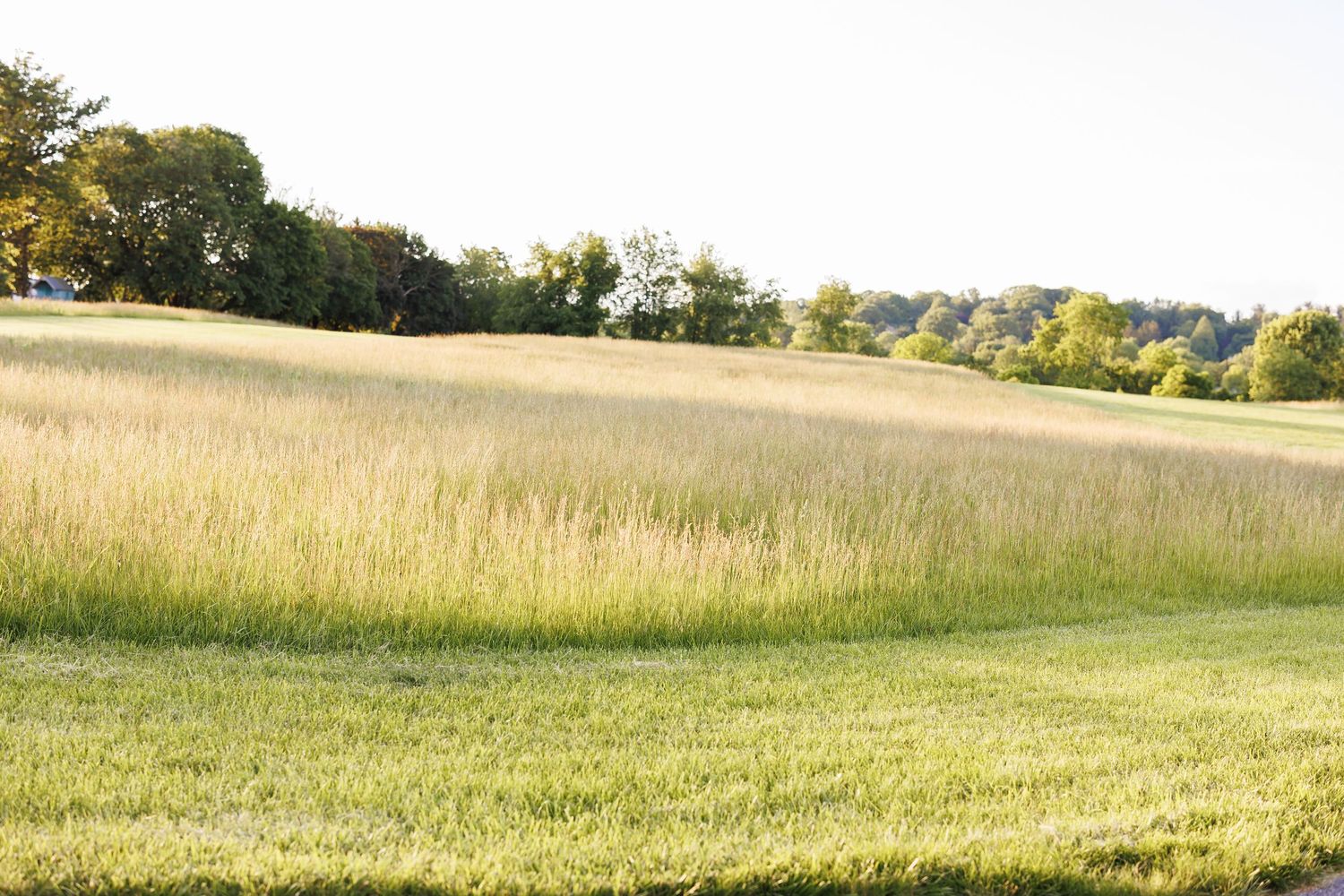
Golden hour, which occurs shortly after sunrise or before sunset, is widely considered the most flattering light. It produces a warm, directional glow that wraps gently around subjects, minimizes harsh shadows, and creates a naturally cinematic feel.
Morning light offers its own unique qualities. It tends to feel cooler, softer, and more evenly diffused, especially in open environments. It is often a strong choice for families who want a calm, fresh aesthetic.
In contrast, midday light presents more challenges. With the sun positioned high overhead, shadows become more pronounced, highlights can become harsh, and overall contrast increases. However, this does not mean midday sessions are unworkable—it simply means they require more intentional handling.
This is where technique and environment become essential tools rather than limitations.
Using Open Shade and Environmental Light to Create Softness
Even when conditions are not ideal, skilled photographers know how to create softness using the environment itself.
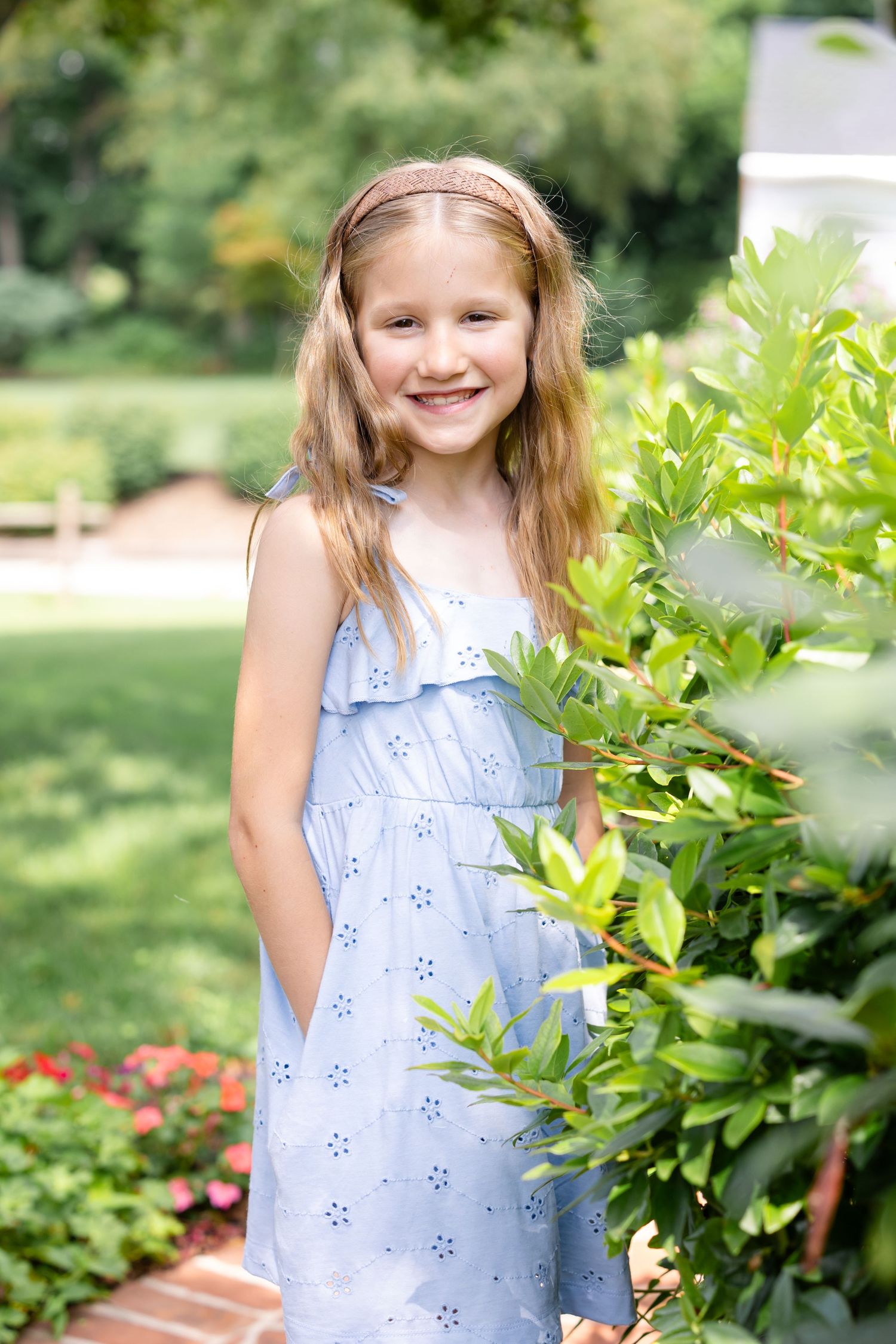
Open shade is one of the most valuable tools in natural light photography. It occurs when a subject is shielded from direct sunlight but still receives ambient, diffused light. This can be found beside buildings, under trees, near structures, or anywhere direct sun is blocked.
When used correctly, open shade creates even, flattering illumination that minimizes harsh shadows while still maintaining a natural outdoor feel.
Photographers may also use surrounding elements—such as light-colored surfaces, grass, or nearby structures—to reflect light back onto subjects. This subtle bounce helps soften contrast and maintain consistency across the frame.
These techniques allow sessions to remain visually cohesive even when the sun is not in an ideal position.
Choosing a Photographer: Why Consistency Matters Most
When selecting a photographer for natural light family photos, consistency is one of the most important qualities to evaluate.
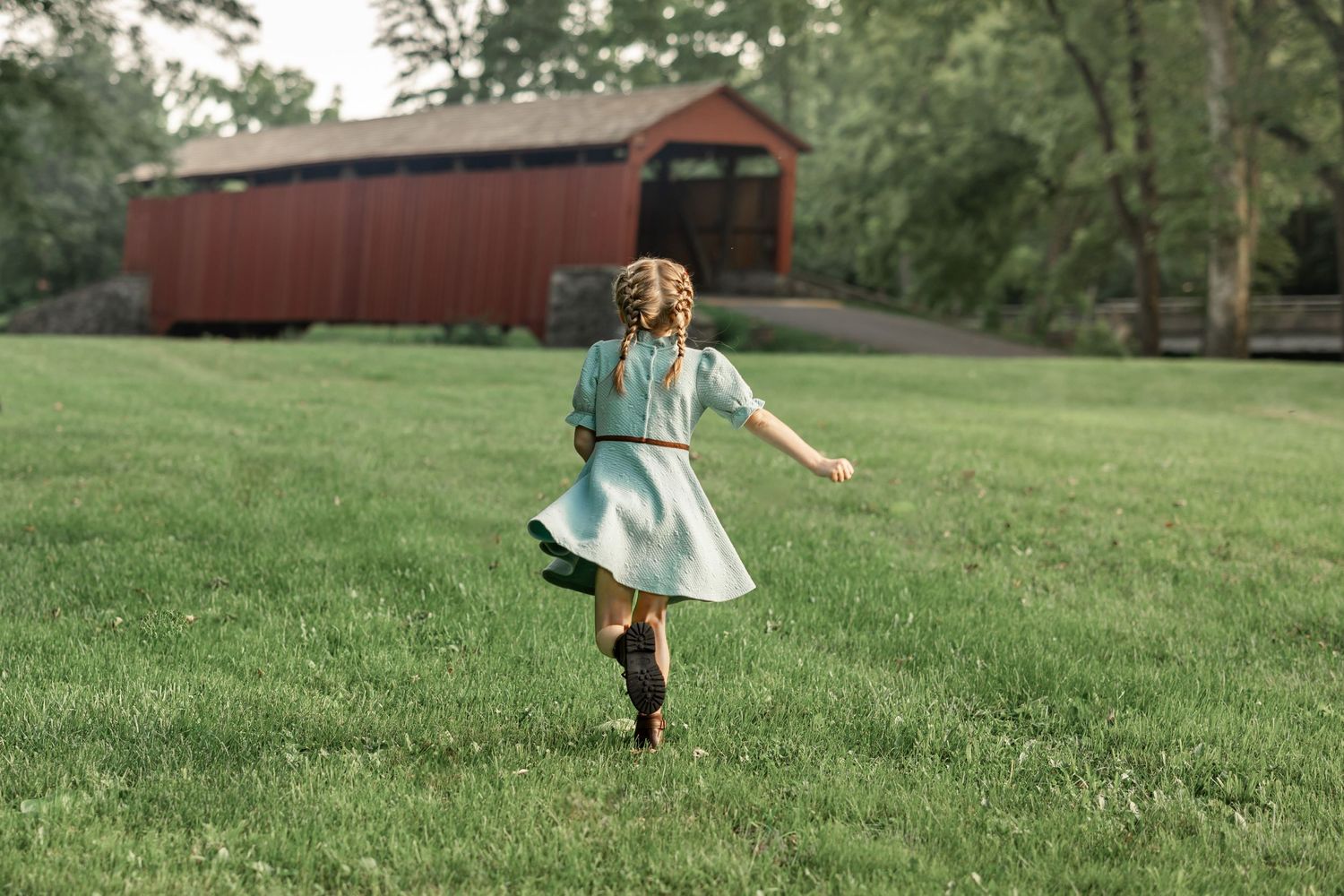
A strong portfolio does not rely on a few beautiful golden hour images—it demonstrates reliability across different conditions, locations, and lighting scenarios.
Ask yourself:
Do the images feel evenly exposed across the gallery?
Are skin tones consistent and natural?
Does the lighting feel intentional rather than accidental?
Does the overall body of work feel cohesive?
Consistency is a clear indicator of technical understanding.
A photographer who truly understands light will be able to create beautiful results in both ideal and imperfect conditions, rather than relying on luck or perfect timing.
The Role of Flash in Natural-Looking Photography
One of the most misunderstood tools in photography is flash.
Many assume flash produces harsh, artificial-looking images. However, when used skillfully, flash can be shaped to closely replicate natural light—soft, directional, and seamless within the environment.
In studio settings, or even outdoors with off-camera flash, experienced photographers use artificial light to mimic the qualities of window light or golden hour. When balanced properly, it becomes nearly indistinguishable from natural light.
Flash also provides consistency. It removes uncertainty from changing weather, time constraints, or low-light environments. This allows for controlled, reliable results regardless of external conditions.
Rather than being a limitation, knowledge of flash is often a sign of a more advanced and versatile photographer. It demonstrates the ability to create light intentionally, not just react to what is available.
How Skilled Photographers Blend Light and Environment
The strongest family portraits rarely come from a single lighting approach. Instead, they are the result of thoughtful adaptation.
A session may begin in soft natural light, transition into open shade as the sun shifts, and—when needed—incorporate subtle artificial light to maintain consistency and softness.
This flexibility ensures that the final gallery feels cohesive rather than dependent on unpredictable conditions.
It also allows families to relax, knowing their session is not fragile or overly dependent on perfect timing.
When light is treated as something to be shaped rather than feared, it becomes a creative tool that expands possibilities rather than limits them.
Why Understanding Light Changes Everything
Ultimately, the quality of a family portrait has less to do with whether natural light is used and more to do with how well light is understood.
Natural light, artificial light, golden hour, shade, flash—each is simply a tool. The artistry lies in knowing when and how to use them.
A skilled photographer is not defined by a single lighting style, but by their ability to create consistency, softness, and emotional depth regardless of conditions.
When you review a portfolio, the most important question is not “Do they use natural light?” but rather “Do they understand light at a deep and intentional level?”
That understanding is what transforms a session from unpredictable to refined, and from simply photographed to truly crafted.
Reserve Your Family Portrait Session in Lancaster PA
Natural light family photos offer a beautiful, organic way to preserve your family’s story—but the real artistry lies in how light is understood and shaped.
Whether your session takes place during golden hour, in open shade, or with the support of carefully controlled lighting, the goal remains the same: to create images that feel soft, intentional, and timeless.
To begin planning your session in Lancaster PA, reach out to create a portrait experience designed with expertise, care, and a deep understanding of how to use light in all its forms.